


Captain Tsubasa: Dream Team
4.42.82K Reviews
App Specs
- Version
- 12.1.1
- Updated On
- License
- Free
- Downloads
- 10,000,000+
- Developer
- KLab
- Categories
- Sports
- Platform
- Android, iOS
Screenshots
 Analysis by AppCompare
I’d start Captain Tsubasa: Dream Team expecting a stylized football game built around dramatic anime moments, not a quick, hands-on recreation of a real-world match. The appeal is in putting together a squad, choosing how its players work together, and watching a carefully timed move become the highlight. If you know the series, familiar characters and their signature flair add an extra layer; if you don’t, the exaggerated action still gives the game its own identity.
What the first session is really about
As a sports game from KLab, it sits closer to a team-building and match-strategy experience than to the usual mobile football titles focused on direct movement and rapid reactions. Matches give you decisions to make, while the broader loop asks you to shape a lineup over time. That distinction matters: I’d recommend it to someone who enjoys planning a squad as much as seeing the action, but not to a player looking only for a short, fully manual kickabout.
The first useful goal is modest: get through the early play, learn where team choices matter, and finish a match with a clearer idea of what your lineup can do. I wouldn’t try to optimize every position or chase a perfect roster right away. At the start, experimenting is more useful than treating every choice as permanent, and seeing how a player’s strengths fit into a team is a better lesson than simply collecting names.
Making a first match feel manageable
When I’m new to a team-based game, I try to separate the decisions into two questions: who looks useful for the role, and how does that choice fit the rest of the squad? That approach suits this game’s emphasis on building a team around characters with individual skills. Rather than changing several things at once, I’d adjust one part of the lineup, play, and notice what feels different. It makes the strategy easier to understand and helps keep the early menus from feeling like a test you have to pass.
One practical habit is to pause before spending any in-game resources on a character simply because they are familiar or appealing. The fun of recruiting is real, but a favorite player is not automatically the best fit for every formation or opponent. I’d first look at the team I already have and identify a specific gap; then a new signing has a purpose beyond the excitement of seeing a recognizable face appear.
Who will enjoy its particular rhythm
This is a good fit for fans who want the manga and anime’s larger-than-life football translated into a game, and for strategy-minded players who like tinkering with lineups. It can also work for someone who wants a sports game where the team-building layer gives each match context. The energetic presentation and special-move animations make the payoff easy to understand even when you’re still learning the finer decisions.
I’d be more cautious if your ideal sports game is all about controlling every run and pass yourself, or if you dislike collection systems and gradual roster building. The recruitment loop uses gacha mechanics, so the appeal of unlocking players comes with uncertainty; it can be exciting, but it may frustrate anyone who expects to choose exactly which character they receive. Optional purchases range from $0.99 to $84.99 per item, so I’d decide on a personal spending limit before browsing them and treat paid pulls as entertainment, not as a requirement for enjoying the basic loop.
Worth Reading Before You Choose

Flipboard Shows What News Apps Must Do Beyond the Feed

Switching to Android Auto Means Rethinking Your Driving Routine

Google Calendar Makes a Crowded Week Easier to Manage

Ludo King Makes the Most of the Minutes Between Plans

Baby Panda World Brings Quick Play to Modern Phones, but Its Game Library Feels Busy

ESPN’s Live Game View Makes Following Close Games Easier
Gameplay that Keeps You Hooked
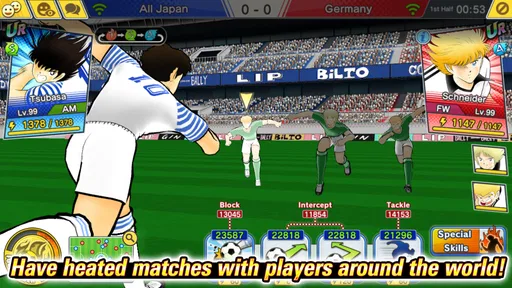
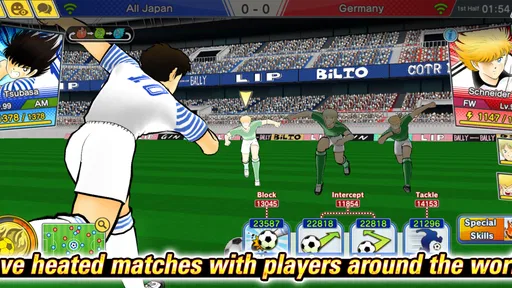
First things first, let’s talk about the gameplay. Captain Tsubasa: Dream Team is not just your average soccer game. It combines strategic team management with action-packed matches that make every goal feel like a personal victory. The controls are intuitive, especially for those who've played mobile games before, but there’s enough depth to keep even the most seasoned players on their toes.
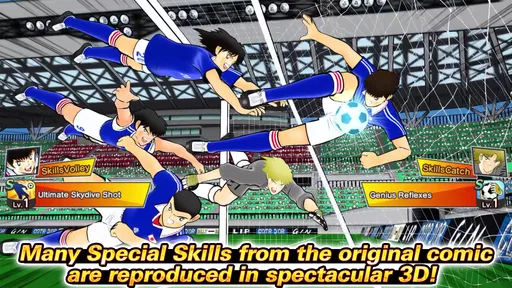
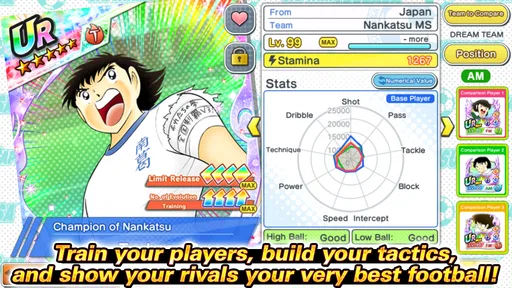
The game lets you build your ultimate team using characters from the beloved manga and anime series. Each character comes with their own special skills that can turn the tide of a match. Seriously, pulling off a special move that mirrors the anime gives you a real adrenaline rush!
Graphics and Sound
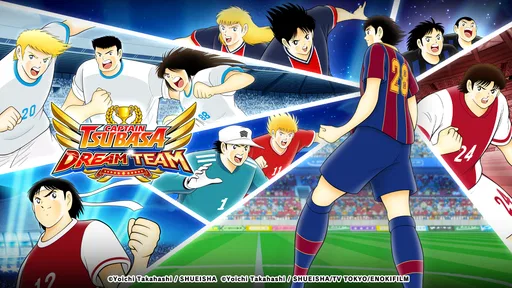
Visually, the game is a treat. The vibrant graphics capture the anime’s essence perfectly, making each match feel like an episode from the series. The character designs are spot-on, and the animations for special moves are a spectacle in themselves.
Sound-wise, the game doesn’t disappoint either. The soundtrack is energetic and motivating, with sound effects that heighten the excitement of every pass and goal. Plus, having the original Japanese voice actors adds an authentic touch that fans of the series will appreciate.
Building Your Dream Team
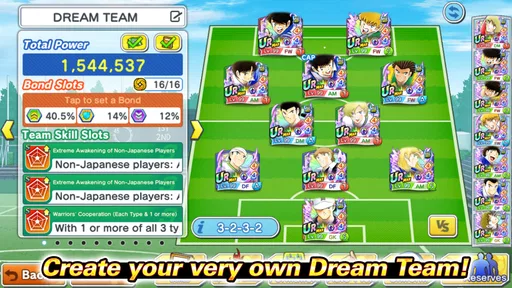
One of the game’s standout features is team customization. You can recruit players through the gacha system, which might sound daunting at first, but it’s actually quite rewarding. The thrill of unlocking your favorite characters and seeing them in your lineup is immensely satisfying.
Strategizing how to use each player’s strengths and match them against opponents is like playing a chess game on steroids. You’ll find yourself constantly tweaking formations and strategies, which keeps things fresh and exciting.
Community and Competition
Another aspect worth mentioning is the vibrant community. Whether you’re looking to join an existing club or create your own, there’s a sense of camaraderie that makes the game even more enjoyable. Plus, competing in online matches against players worldwide is a great way to test your skills. The competitive scene is thriving, and there’s always something new to learn or a new strategy to try out.
Regular events and updates from the developers ensure that there’s always something new on the horizon. It’s clear they’ve put a lot of love into keeping the game engaging and aligned with the community’s interests.
Everyday play without turning it into a chore
A realistic way to fit the game into a busy day is to treat one short session as a small experiment rather than a demand to make constant progress. For example, I might open it while waiting for a friend, check whether my current lineup has an obvious weakness, then play a match and focus on one decision. If a special move changes the momentum, I can consider whether the setup that led to it is worth keeping. That gives the session a satisfying endpoint even if I don’t have time to manage every part of the squad.
For a longer session, I’d save roster adjustments for when I can pay attention. It’s easy to get absorbed in comparing characters and formations, and making changes in a rush can leave you unsure which choice helped. I find it more useful to make a note mentally of what I want to test, change one thing, and then judge the result in a match. This simple loop turns team management into learning rather than menu wandering.
How it differs from other football games
Compared with mobile football games that emphasize direct control of players and realistic match flow, this one leans harder on character identity, dramatic skills, and squad planning. That makes it a refreshing alternative when I want football with a strong anime flavor, but it also means it may not replace a simulation-style game for someone who wants to dribble and defend manually throughout the match. The best choice depends on what feels rewarding to you: executing each action yourself, or preparing a team and enjoying the decisive moments its setup enables.
It also differs from a straightforward character collector because football is the organizing idea, not just a backdrop for unlocking favorites. Team choices have a purpose in the match, so collecting feels most satisfying when a new player contributes to a plan. If the collection itself is your main interest, the uncertainty of gacha can become the focus; if you enjoy solving a lineup problem, it becomes one part of a wider sports strategy.
Sorting out early confusion
One common stumbling block is assuming that a match is decided only by the most recognizable or powerful-looking character. I’d resist that shortcut. A standout player can be exciting, but the team’s overall arrangement and how its strengths complement one another matter to the experience. When a match does not go as hoped, I’d review the formation and the choices around the key moment before recruiting another player. That makes setbacks informative instead of simply prompting another attempt to pull a favorite.
Another point worth understanding early is the difference between enjoying a character and needing that character. Fans naturally have favorites, and seeing one in the lineup can be part of the appeal, but a roster built only around personal preference may not work as well as one with balanced roles. I’d keep favorite characters in mind while still asking what the team needs. That compromise preserves the fan experience without making every recruitment decision feel like a must-have.
Playing with other people, and knowing your limits
Clubs and online matches give the game a social and competitive side beyond solo team building. I’d approach that side as a way to learn how other people think about their squads, not as proof that my own team has to be perfect immediately. Seeing different approaches can give you ideas to test, while competing can make familiar match decisions feel more consequential. If online competition is not your priority, the character collecting and team tinkering can still be the draw; you don’t have to turn every session into a ranking chase.
There is a trade-off, though: a game with recruiting, events, and competition can encourage you to keep checking in and chasing the next improvement. I’d set a comfortable pace and avoid spending just to remove the feeling that I’m behind. The game is free to start, is rated for Everyone, and has reached over ten million installs, with a 4.4 average from around 235,000 ratings. Those figures suggest broad interest, but they don’t guarantee that its collection-focused rhythm will suit every player.
What to check before settling in
If you’re deciding whether your device can run it, the current version is 11.1.0 and the minimum operating system is Android 6.0. It was released on December 5, 2017, so this is an established game rather than a brand-new experiment. I’d still check the current store page on your own device before installing, especially if you use an older phone, then give the opening session enough time to reach a match and try the team decisions for yourself.
Newcomers often wonder whether they need to know the series first. I don’t think prior knowledge is necessary to understand the basic appeal: the anime-inspired presentation and recognizable special moves communicate the tone quickly. Knowing the characters adds recognition and nostalgia, but a newcomer can approach it as a distinctive football strategy game. The bigger question is whether you enjoy building a roster and weighing team choices, because that loop matters more than knowing every name.
Choosing a next step that fits your style
After the first satisfying match, I’d pick one direction rather than trying to master everything at once: improve a team weakness, learn how a favorite character fits, or try the social side through a club or online match. Each gives you a different reason to return. Keeping the goal small also makes it easier to tell whether the game’s rhythm is genuinely fun for you or whether the collection and management menus are taking more time than you want.
Graphics and Sound
Visually, the game is a treat. The vibrant graphics capture the anime’s essence perfectly, making each match feel like an episode from the series. The character designs are spot-on, and the animations for special moves are a spectacle in themselves.
Sound-wise, the game doesn’t disappoint either. The soundtrack is energetic and motivating, with sound effects that heighten the excitement of every pass and goal. Plus, having the original Japanese voice actors adds an authentic touch that fans of the series will appreciate.
Building Your Dream Team
One of the game’s standout features is team customization. You can recruit players through the gacha system, which might sound daunting at first, but it’s actually quite rewarding. The thrill of unlocking your favorite characters and seeing them in your lineup is immensely satisfying.
Strategizing how to use each player’s strengths and match them against opponents is like playing a chess game on steroids. You’ll find yourself constantly tweaking formations and strategies, which keeps things fresh and exciting.
Community and Competition
Another aspect worth mentioning is the vibrant community. Whether you’re looking to join an existing club or create your own, there’s a sense of camaraderie that makes the game even more enjoyable. Plus, competing in online matches against players worldwide is a great way to test your skills. The competitive scene is thriving, and there’s always something new to learn or a new strategy to try out.
Regular events and updates from the developers ensure that there’s always something new on the horizon. It’s clear they’ve put a lot of love into keeping the game engaging and aligned with the community’s interests.
Final Thoughts
So, is Captain Tsubasa: Dream Team worth your time? Absolutely. Whether you’re a die-hard fan of the original series or just someone looking for a new game to dive into, this game offers a unique blend of nostalgia and fresh, exciting gameplay. It’s one of those rare gems that manages to capture the spirit of its source material while standing strong as a game in its own right.
If you haven’t already, I highly recommend giving it a shot. Who knows? You might just find yourself hooked, strategizing your next big win while reliving those iconic anime moments. Happy gaming!
Pros
- Authentic anime art style enhances nostalgia.
- Smooth gameplay with intuitive controls.
- Regular updates with new content and events.
- Wide range of characters to collect and upgrade.
- Engaging multiplayer modes for competitive play.
Cons
- In-app purchases can be quite expensive.
- Requires constant internet connection.
- Energy system limits play duration.
- Complex team management for beginners.
- Occasional server lag in multiplayer matches.
FAQs for Captain Tsubasa: Dream Team
What is the main objective of Captain Tsubasa: Dream Team?
Captain Tsubasa: Dream Team is a football simulation game that allows players to build their ultimate team using characters from the popular manga and anime series. The main objective is to strategically manage your team, participate in matches, and climb the rankings in various leagues and tournaments, embracing both strategy and real-time gameplay.
Are there in-app purchases in Captain Tsubasa: Dream Team?
Yes, Captain Tsubasa: Dream Team includes in-app purchases. Players can buy in-game currency, such as Dreamballs, which can be used to acquire new players, upgrade skills, or unlock special items. While the game is free to play, these purchases can enhance gameplay but are not mandatory for progression.
Is an internet connection required to play Captain Tsubasa: Dream Team?
An internet connection is required to play Captain Tsubasa: Dream Team. This is because the game features online matches, updates, and events that need real-time connectivity. Additionally, being online allows you to compete against other players worldwide, enhancing the competitive aspect of the game.
How does the team-building mechanic work in Captain Tsubasa: Dream Team?
In Captain Tsubasa: Dream Team, team-building involves selecting players from your roster and strategically placing them in positions that maximize their skills and chemistry. Players can be acquired through gacha pulls, and each character has unique abilities. Balancing these elements is crucial for achieving success in matches.
What are the main game modes available in Captain Tsubasa: Dream Team?
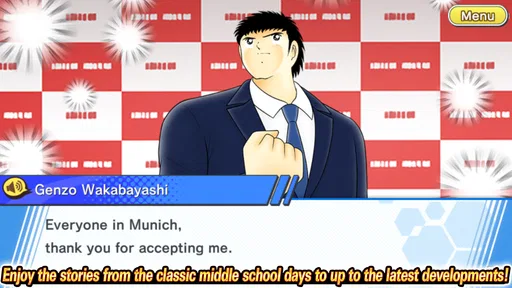
Captain Tsubasa: Dream Team offers several game modes, including Story Mode, where you relive the anime's narrative, and Multiplayer Mode, where you can challenge other players. There's also a League Mode for competitive ranking and various limited-time events that offer exclusive rewards and challenges.


